
Service
Knee Pain Physiotherapy
Assessment and strengthening for knee pain affecting stairs, squatting, walking or sport.
Knee symptoms are influenced by more than the knee itself. Hip and ankle strength, walking pattern and recent changes in activity all affect how the joint is loaded.
Assessment aims to understand which movements provoke your symptoms and what capacity you currently have, so exercise can be graded at a level that is tolerable rather than aggravating.
Who this helps: People with knee pain on stairs or squatting, swelling after activity, or reduced confidence walking longer distances.
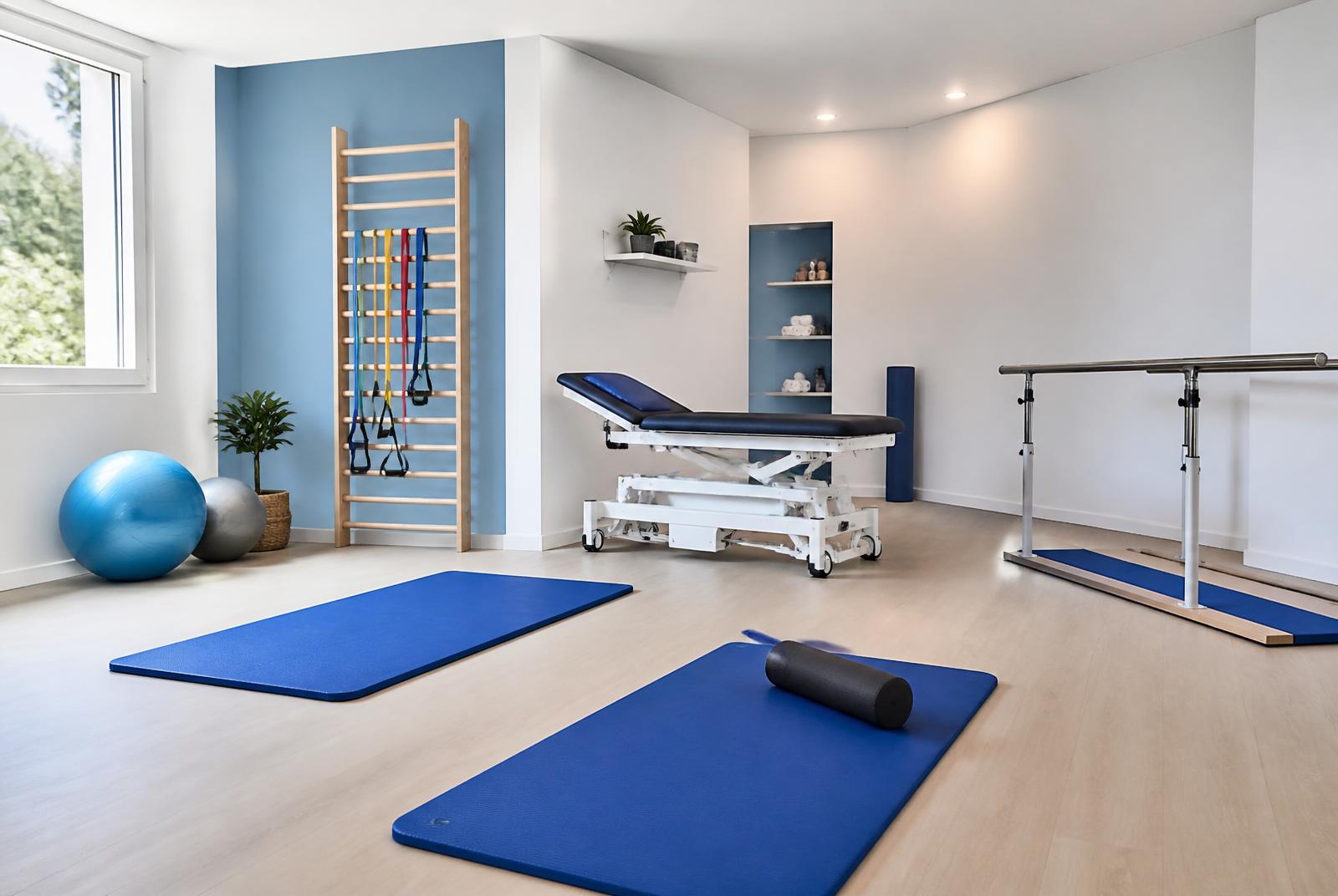
Common reasons people book
- Pain climbing or descending stairs
- Discomfort when squatting, kneeling or standing up from a low chair
- Swelling or aching after walking or sport
- Knee giving way or feeling unstable on uneven ground
- Stiffness and reduced movement after a period of inactivity
How the assessment works
- History of onset, activity changes and previous knee injuries
- Screening for symptoms that require medical or orthopaedic review
- Knee range of movement and swelling assessment
- Strength testing of the thigh, hip and calf muscles
- Observation of walking, stairs and sit-to-stand where appropriate
Treatment methods used
- Progressive strengthening for the quadriceps, hips and calf
- Range of movement and mobility work as tolerated
- Balance and control retraining
- Load management advice for walking, stairs and sport
- Manual therapy techniques where clinically indicated
What a session includes
- Review of pain, swelling and function since the last visit
- Supervised exercise progression appropriate to that stage
- Technique correction so home exercise is safe
- Notes on activity levels to aim for before the next session
Home care and self-management
- A graded home strengthening plan with clear repetitions
- Advice on managing swelling and pacing daily walking
- Guidance on footwear, stairs and kneeling alternatives
When to seek medical care
- Inability to bear weight after an injury
- A knee that locks, gives way repeatedly or looks deformed
- Rapid swelling within minutes of an injury
- A hot, red, very painful knee with fever
If symptoms are severe or worsening quickly, contact a doctor or emergency services without waiting for a physiotherapy appointment.
FAQs
Questions about knee pain physiotherapy
Related conditions
Book knee pain physiotherapy
Tell us about your condition and we will confirm a suitable date and time. You can also call or message the clinic directly.