
Home Physiotherapy
Home Physiotherapy for Older Adults: What Families Should Know
When travelling to a clinic is the hardest part of rehabilitation, home visits can make consistent practice realistic.
Published 2026-01-11 · Updated 2026-01-21 · 6 min read
Written by [THERAPIST NAME] — author credentials are published once verified by the clinic.
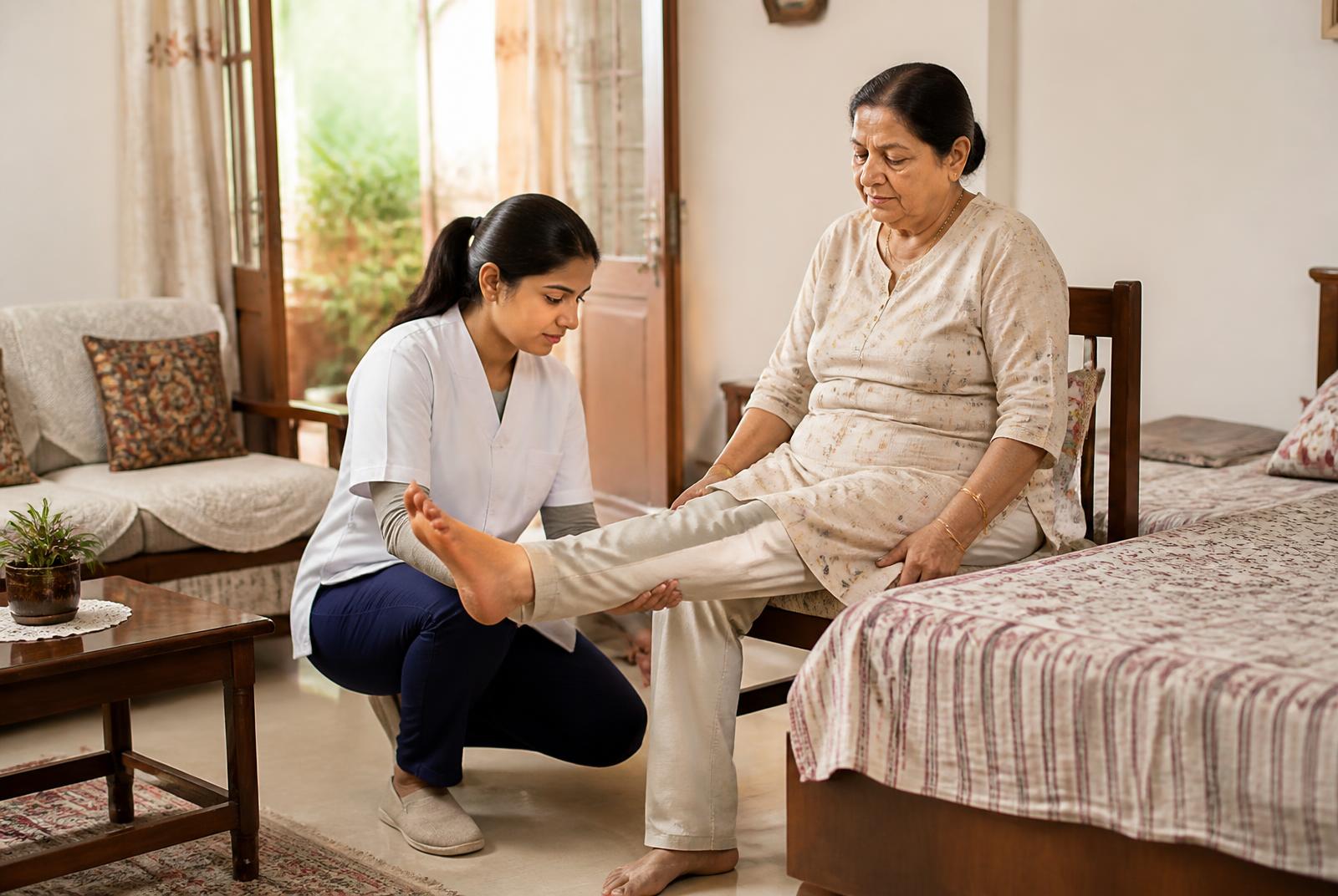
For many older adults, the biggest obstacle to rehabilitation is not the exercise itself but the journey to and from an appointment. Home visits remove that barrier and let practice happen where it is needed.
Who home visits tend to suit
- Patients in the early weeks after surgery or a hospital stay
- Adults with significant balance difficulty or a history of falls
- People who need help with transfers between bed, chair and bathroom
- Families who want to be shown safe assistance techniques
What a home session usually involves
The assessment is the same structured process used in the clinic, with the addition of a look at the home environment: seat heights, stairs, floor surfaces and the routes walked most often.
How families can help
- Keep frequently used walkways clear and well lit
- Encourage short, regular practice rather than long single sessions
- Use the transfer technique demonstrated rather than lifting under the arms
- Note down any falls, dizziness or new symptoms to report
After any fall with injury, or if there is sudden weakness, confusion, chest pain or breathlessness, seek medical attention before continuing exercises.